

Conditions We Treat
Suturing and Wound Care at Good Health NC
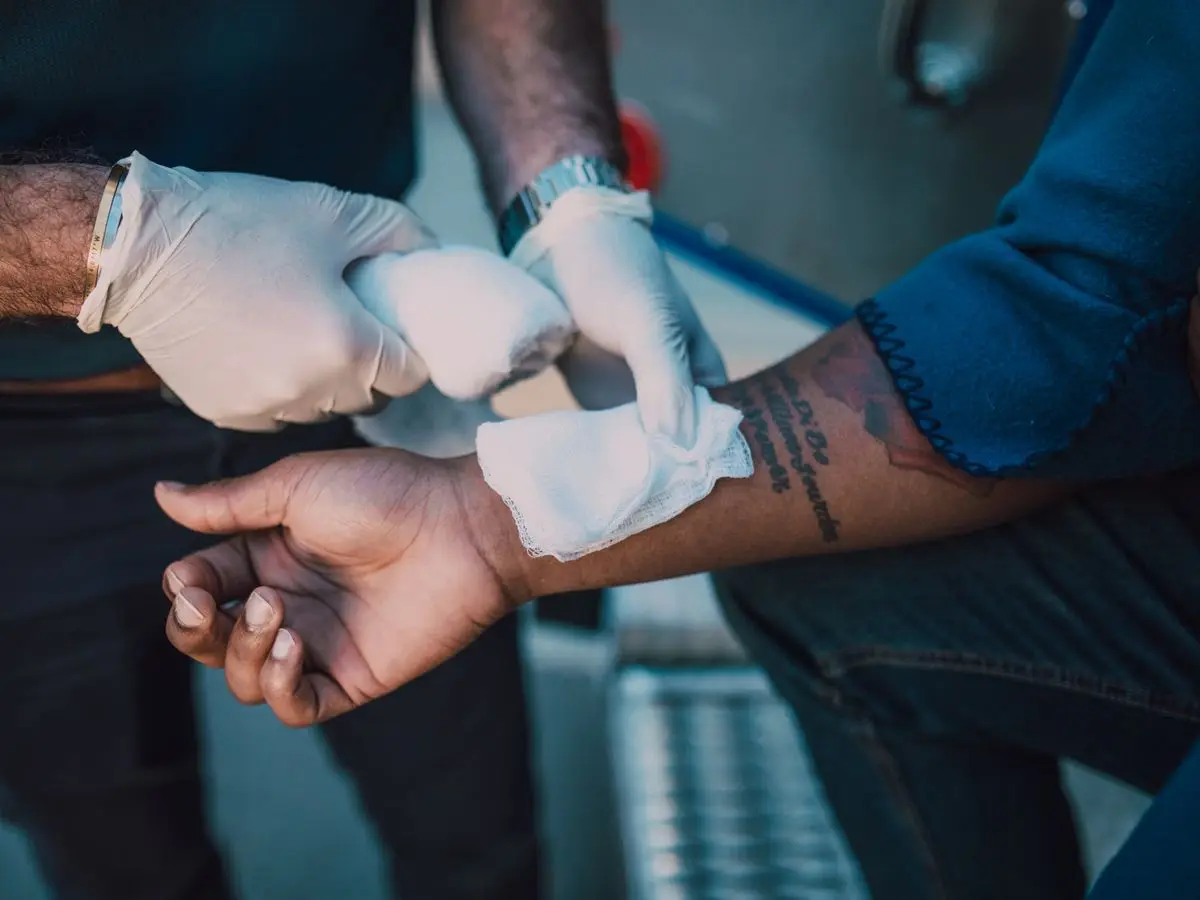
Wound care is one of the original use cases for urgent care, and we do a lot of it. The goal is straightforward: close the wound cleanly, prevent infection, and minimize scarring. To do that well, we need to see you within hours of the injury, not days.
Our Knightdale clinic provides:
- Suturing (stitches) for clean lacerations of the face, scalp, arms, legs, and trunk
- Skin adhesive closure (Dermabond) for clean, low-tension wounds
- Wound closure strips (Steri-Strips) for shallow cuts
- Staples for scalp lacerations
- Wound irrigation and debridement for contaminated or dirty wounds
- Suture and staple removal (including for wounds closed elsewhere)
- Wound checks for redness, infection signs, or non-healing wounds
- Wound packing changes after abscess drainage
- Foreign body removal (splinters, glass, gravel)
- Tetanus boosters when indicated
We do not run a chronic wound care center for diabetic foot ulcers, pressure ulcers, or long-standing non-healing wounds — those go to a wound specialty center. For burns, see our dedicated burns and lacerations page. For abscess drainage, see incision and drainage of abscesses.
When To Come In for Wound Care
Time is the single biggest factor in wound outcomes. Come in as soon as possible if:
- You have a cut that has gone through the full skin and you can see fatty tissue or muscle
- Bleeding required prolonged direct pressure to control
- The wound edges gap apart when relaxed
- The cut is on the face or any cosmetically sensitive area
- The wound was caused by something dirty (rust, soil, animal mouth, puncture)
- You have not had a tetanus shot in the last 5 to 10 years (depending on the wound)
- You have diabetes or any condition that slows healing
Most lacerations should be closed within 12 hours, 24 hours for face wounds. After that window the infection risk goes up sharply and we typically clean and dress the wound but leave it open. Go straight to the ER for uncontrolled bleeding, visible bone or tendon, deep neck/chest/abdominal punctures, or any wound with numbness or weakness past it.
What to Expect at Your Visit
A wound care visit at our Knightdale clinic follows the same evidence-based steps every time:
- Bleeding control and exam. We assess the wound, check distal sensation and movement, and rule out deeper injury to nerves, tendons, or vessels.
- Local anesthetic. Lidocaine numbs the wound, often buffered with sodium bicarbonate to reduce the burn.
- Cleaning and irrigation. The wound is thoroughly flushed with sterile saline. This single step is the most important factor in preventing infection.
- Closure. Sutures, staples, or skin adhesive based on the wound's location, depth, and contamination.
- Tetanus update. Boosted if appropriate.
- Dressing and aftercare instructions. Written instructions for keeping the wound clean and dry, when to bathe, what to watch for, and when to return.
- Suture removal scheduling. Booked before you leave.
Most wound visits take 30 to 60 minutes.
Closure Methods and Aftercare
Different wounds need different closures. Here's how we decide:
- Sutures (stitches). Best for most lacerations, especially those under tension or on areas that move (joints, hands). Finest sutures for the face to minimize scarring.
- Skin adhesive (Dermabond). Best for clean, straight, low-tension wounds. No suture removal required. Patients prefer this when it works.
- Wound closure strips (Steri-Strips). For shallow, low-tension wounds with clean edges, or as supplemental closure.
- Staples. Fast and strong for scalp lacerations.
Aftercare basics:
- Keep the wound clean and dry for the first 24 to 48 hours
- After 48 hours, gentle washing with soap and water is fine
- Apply a thin layer of petrolatum (such as Vaseline) over sutures to keep the wound moist, which improves healing and reduces scarring (this is why we recommend petrolatum, not antibiotic ointment, on most clean closed wounds)
- Avoid soaking the wound (no baths, hot tubs, swimming) until sutures are out and the wound is sealed
- Use sunscreen on the scar for 6 to 12 months to reduce permanent discoloration
Suture removal timing: Face 5 days; scalp and trunk 7 to 10 days; arms, legs, and back 10 to 14 days; joints 14 days. We do removal in-office.
The American Academy of Family Physicians' patient wound care resource covers most of this in plain language.
Signs Your Wound Needs To Be Seen Again
Come back in if any of these develop after the original repair:
- Increasing redness or warmth around the wound
- Red streaks moving away from the wound (lymphangitis)
- Thick or foul-smelling discharge (clear or slightly bloody discharge for the first day or two is normal)
- Increasing pain rather than improving pain after 48 hours
- Fever above 100.4°F (38°C)
- A suture that has come undone before the planned removal date
- The wound edges gap apart after suture removal
The CDC's wound care and infection prevention page is useful background on home wound hygiene.
Why Choose Good Health NC for Wound Care
Two practical reasons we are well-suited to wound care in the Triangle:
- You see the same team for the whole arc. Repair, infection check, suture removal, and scar management all happen at our Knightdale clinic. You aren't bouncing between an ER for repair and a primary care clinic for removal.
- We connect wound care to the bigger picture. If wound healing is slow because blood sugar is high, or because you're on a medication that slows healing, we can address that in the same building through our chronic condition management and medication management programs.
Walk-ins are welcome. For a wound, sooner is always better than later.
Common Suturing & Wound Care Questions
Sutured wounds typically have enough strength for sutures to come out at the times above (5 to 14 days depending on location). Full tissue remodeling and final scar appearance, however, continues for 6 to 12 months. To get the best cosmetic result we recommend keeping a healed scar protected from the sun for at least 6 months and using daily sunscreen on it.
Read full answerFor most clean closed wounds at our Knightdale clinic we recommend plain petrolatum (Vaseline). Studies show petrolatum is as effective as antibiotic ointment at preventing infection in clean closed wounds, and it avoids the small risk of allergic contact dermatitis associated with neomycin and bacitracin. Petrolatum also keeps the wound moist, which improves healing and reduces scarring. We will tell you specifically if your wound is an exception.
Read full answerFour things make the biggest difference: 1) Keep the wound clean and moist with daily gentle washing and petrolatum. 2) Don't pick at scabs or sutures. 3) Stop smoking, which significantly slows wound healing. 4) Keep your blood sugar well-controlled if you have diabetes. Vitamin C and protein support healing, but mega-dosing supplements doesn't accelerate it beyond what an adequate diet provides.
Read full answerThe 4 C's most clinicians use are: Clean (irrigate and debride contamination out of the wound), Close (use the right method for the wound), Cover (appropriate moist wound dressing), and Check (follow up to confirm healing and rule out infection). At Good Health NC we walk through all four in every wound care visit, and we book the Check visit before you leave.
Read full answerYes. We routinely remove sutures and staples placed at other urgent cares, ERs, or hospitals. Bring whatever paperwork you have so we know the wound history, the closure date, and any antibiotics you were prescribed.
Read full answer